
Interview: Prof. Elif Bilge Kavun on Research, Motivation, Collaboration and Mentorship
“You do not need to fit a stereotype to belong in science. Curiosity, persistence, and integrity matter more than confidence at the beginning. And it is okay, even necessary, to take up space and ask questions.”
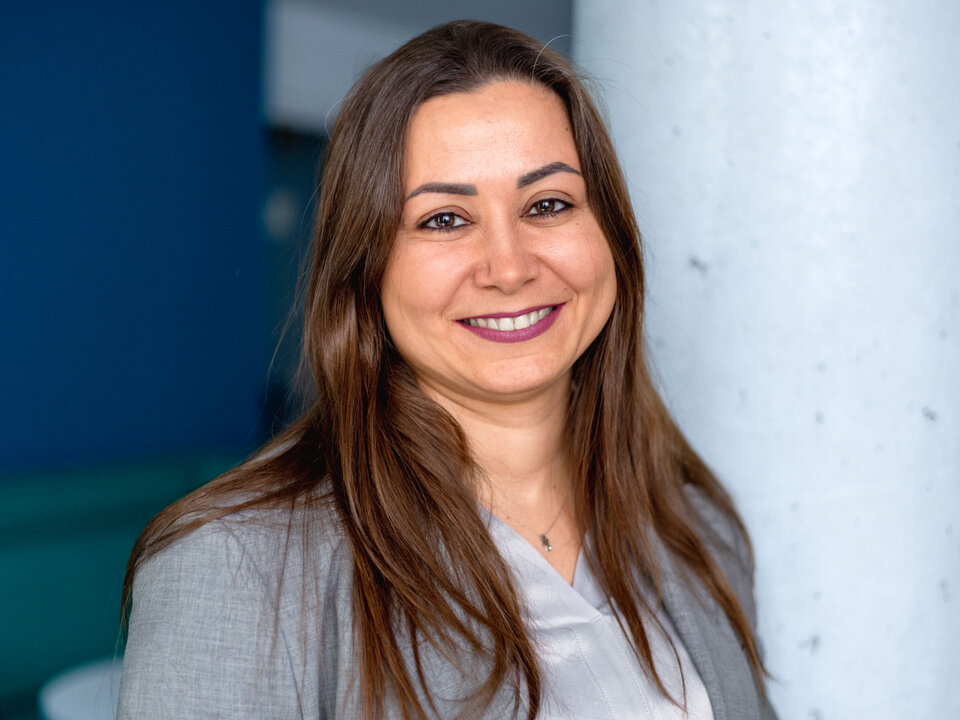
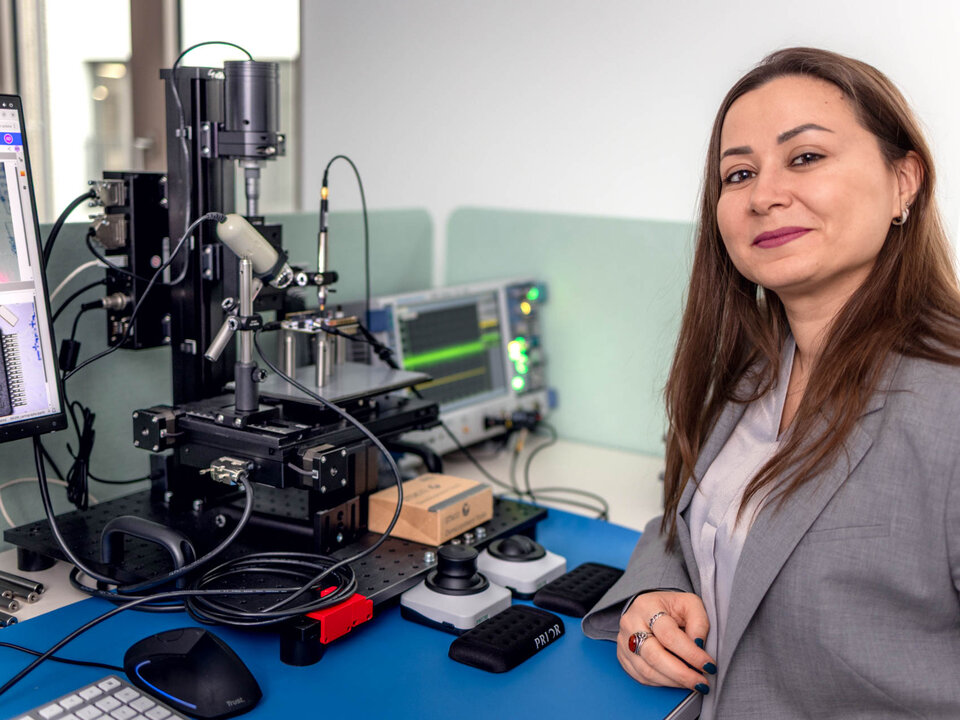
Prof. Elif Bilge Kavun is leader of the Secure Digital Systems (SDS) research group at the Barkhausen Institut in Dresden and Professor of Secure Digital Systems at the Faculty of Computer Science, TU Dresden. In this interview, she talks about what trustworthiness in digital systems really means, how technical design decisions can shape society, and why creating space for diverse perspectives in science is essential.
Motivation & Curiosity
What first sparked your interest in digital systems?
I have always been curious about how ideas turn into systems that shape the real world. As I began understanding the fundamental principles and requirements behind these systems during my studies, I was drawn to the idea of securing real-world digital systems, as they form the backbone of modern infrastructure, and getting them right matters greatly.
What keeps you curious in your research?
What still drives my curiosity is the gap between how complex digital systems have become and how little we can actually guarantee about their behavior. There is always another assumption to question, another layer where things can fail. Understanding and improving that is both challenging and motivating.
Women in Science: Taking Up Space
Did you have (female) role models who influenced your career?
In my case, I do not remember myself naming a single person as a role model, but I have always been interested in reading about successful researchers and experts, both female and male, who played important roles at different places and stages. I paid attention to how they paved their own path and tried to learn from this. I have been very lucky to have had good networking opportunities with many influential researchers in our field, which allowed me to speak with them in person and broaden my horizon.
What advice would you give to young women in science?
You do not need to fit a stereotype to belong in science. Curiosity, persistence, and integrity matter more than confidence at the beginning. That confidence will grow over time if you do not feel it yet. And it is okay, even necessary, to take up space and ask questions.
Trust & Responsibility
What does “trustworthiness” mean in your work?
For me, trustworthiness means that a system behaves as intended, even under adverse conditions. This includes security, reliability, and correctness, but also transparency: understanding why a system behaves in a certain way. Trust should not be based on hope or obscurity, but on solid design principles and rigorous analysis.
How closely are technical decisions in your field linked to societal impact?
I believe that they are very closely linked. Design decisions made at a technical level can influence security, safety, privacy, fairness, and resilience on a societal scale. As researchers, we may not control how our work is ultimately used, but we do have a responsibility to think beyond performance metrics and consider long-term consequences.
The combination of long-term impact and unanswered questions motivates me every day. Secure and trustworthy digital systems are becoming ever more critical to society, and contributing to making them more reliable and understandable is something I find very meaningful.
Collaboration & Mentorship
Why is collaboration across disciplines so important?
Collaboration is essential in our field. Secure digital systems cannot be developed in isolation; they intersect with hardware, software, formal methods, and often with legal or societal questions. I have been working in interdisciplinary teams since my PhD, and I strongly encourage my team to collaborate across disciplines in their research as well. I value openness and mutual respect in interdisciplinary teams, especially the willingness to explain assumptions and learn from different perspectives.
What do you enjoy most about teaching and mentoring young researchers?
I really enjoy seeing students and early-career researchers grow in confidence and independence. Guiding them from their first day to their next step in their career is incredibly rewarding. Teaching also forces me to rethink fundamentals, which sharpens my own understanding.