
Interview with BI research group Wireless Connectivity and Sensing
In this interview, the Wireless Connectivity and Sensing research group at the Barkhausen Institut shares insights into its current work and research focus areas, with additional perspectives from individual group members.
“Wireless systems are one of the hidden technological marvels of our modern society: Aviation or automotive radar sensing, mobile communication base stations and wireless speakers, all are based on the principle of transmitting, receiving and processing electromagnetic radiation. My work aims to merge traditionally separate sensing and communication systems for improved efficiency and resilience.”
- Jan Adler (Associate Researcher)
What is the research topic of your group?
The Wireless Connectivity and Sensing group explores how future wireless systems can sense and connect the world simultaneously, while remaining trustworthy and energy efficient. We work at the intersection of communication theory, signal processing, and hardware design to develop physical-layer techniques that enable integrated sensing and communication and physical layer security. Our goal is to make next-generation wireless technologies not only more capable, but also inherently trustworthy.





In which projects are you working currently?
Our group participates in several national and European projects advancing integrated sensing and communication, such as NI Collaboration and INSTINCT. In parallel, we co-lead a European COST Action (6G-PHYSEC) on physical-layer security and promote collaboration between academia and industry to strengthen the foundations of secure wireless systems.
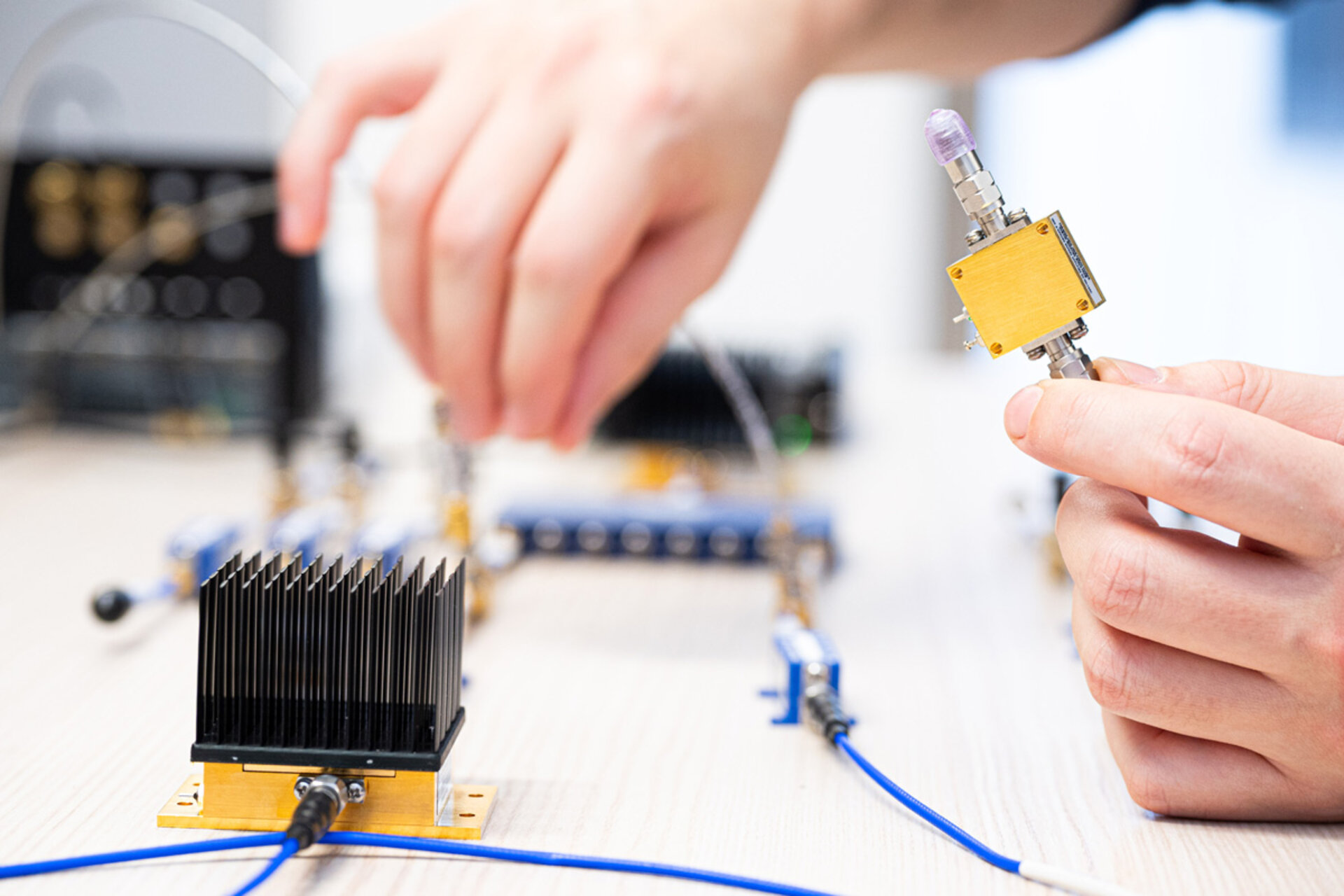
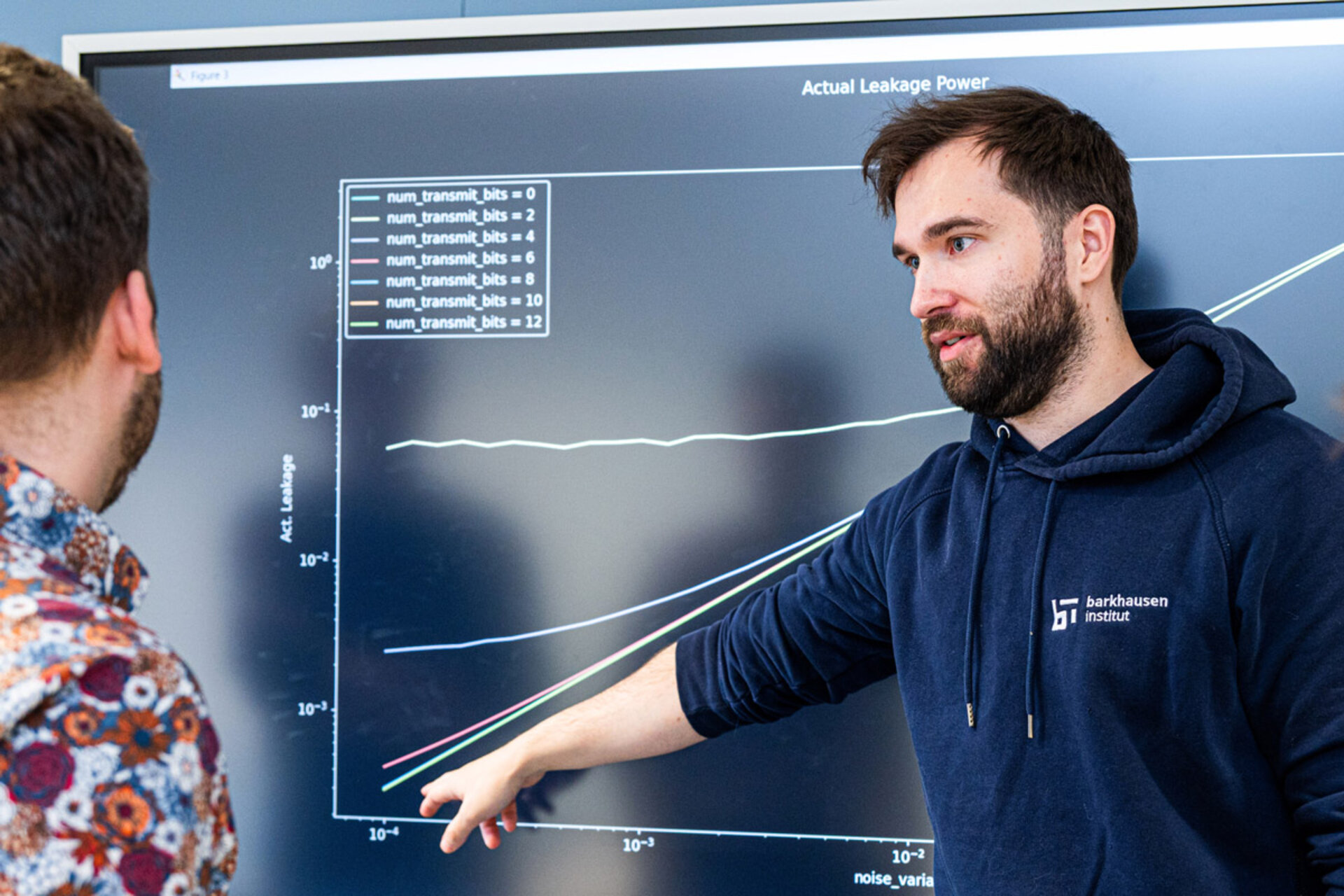
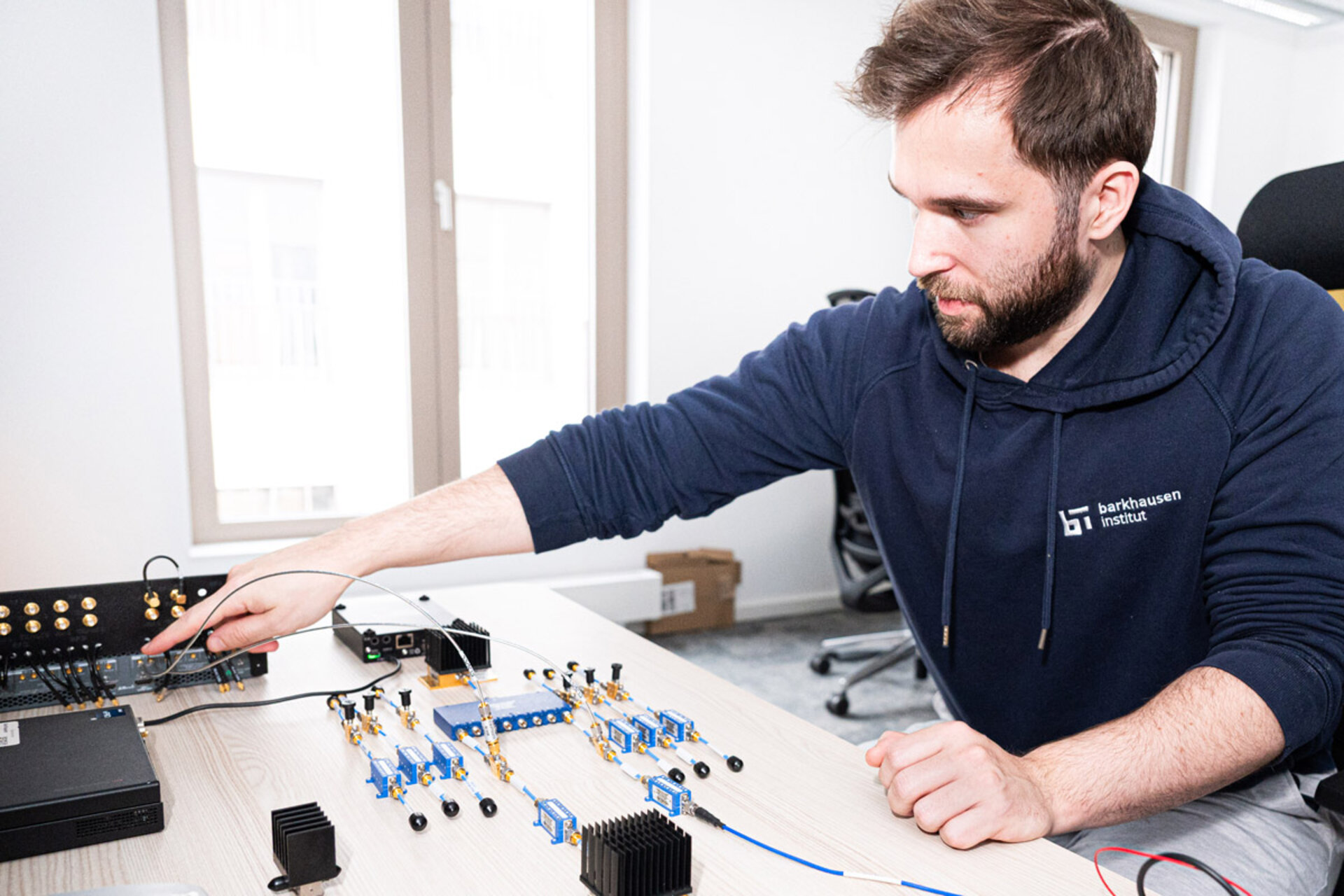
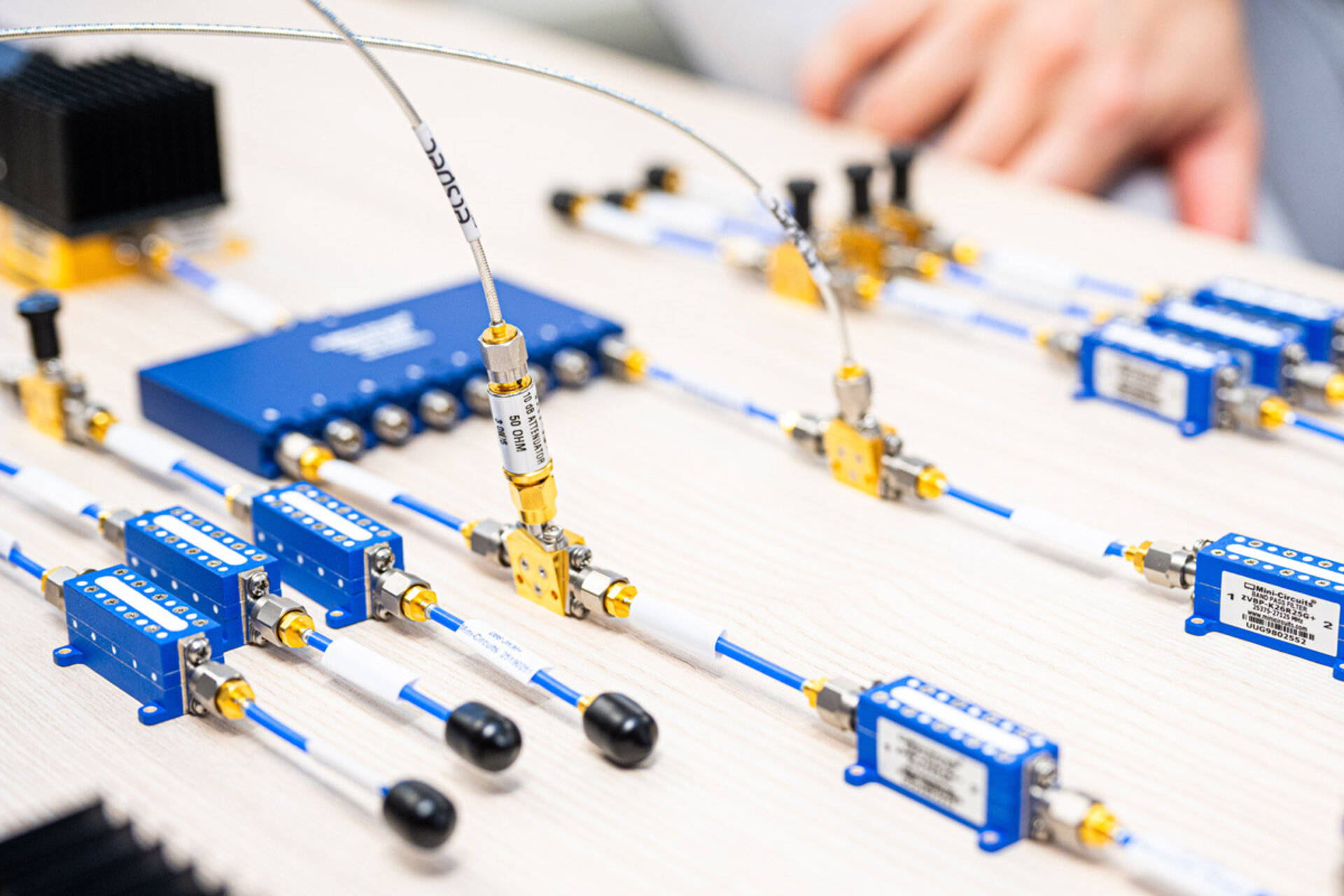
“The security solutions developed at the physical layer make it possible to provide security even for systems that are constrained by memory and computational power. My work focuses on building proof-of-concept demonstrators for physical layer security to investigate theoretical concepts and bridge the gap between theory and practice.”
- Amitha Mayya (Associate Researcher)
What is the connection between your research and everyday life? What problems and challenges are you trying to solve?
In a world where wireless devices are embedded in nearly every aspect of our surroundings, ensuring trustworthy operation is essential. Future networks will not only connect users but also sense their environment. Using the same signals as for communication, they can enable functions such as motion detection, presence sensing, and gesture recognition. This creates new opportunities for intelligent applications but also expands the attack surface and raises concerns about privacy. Our research in integrated sensing and communication as well as physical layer security aims to make wireless systems inherently secure and privacy-preserving. In this way society can benefit from advanced sensing and connectivity without compromising trust.
“I was inspired by the realization that security at higher layers may not be enough. Physical layer has the potential to guarantee security by leveraging channel randomness and physical constraints, complementing traditional cryptography and secure communications.”
- Thuy Pham (Senior Researcher)