
Interview with BI research group Scalable Computing Hardware
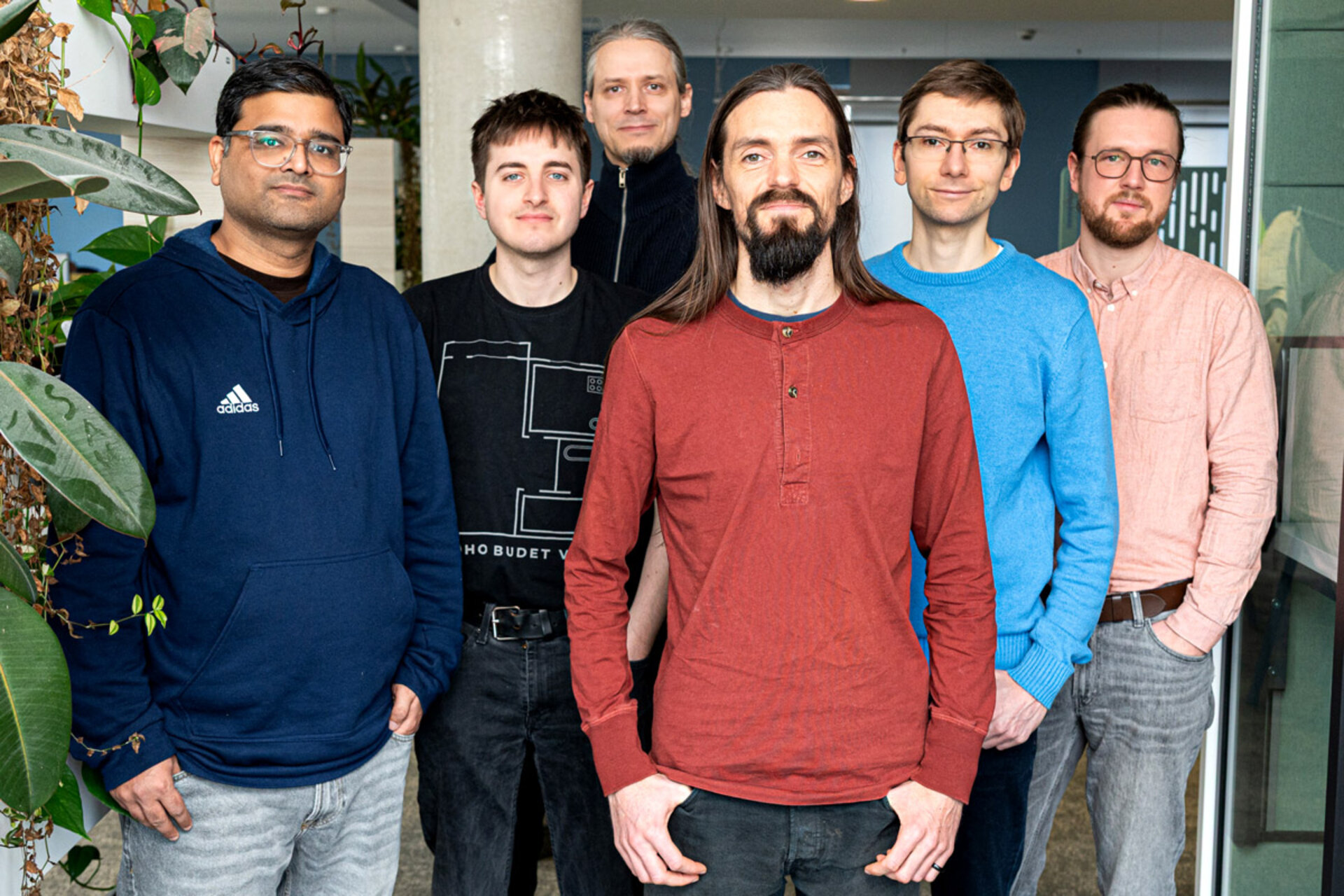
In this interview, the Scalable Computing Hardware research group at the Barkhausen Institut shares insights into its current work and research focus areas, with additional perspectives from individual group members.
“Secure digital systems are a foundation for a well-working modern society. Thus, security cannot be an afterthought but must be observed throughout the design and development process. Due to the universality and versatility of digital hardware, well-thought-through implementations can have a great impact on the accessibility of society's resources via digital means. It can make it safer and more user-friendly.”
- Michael Raitza (Research Group Leader)
What is the research topic of your group?
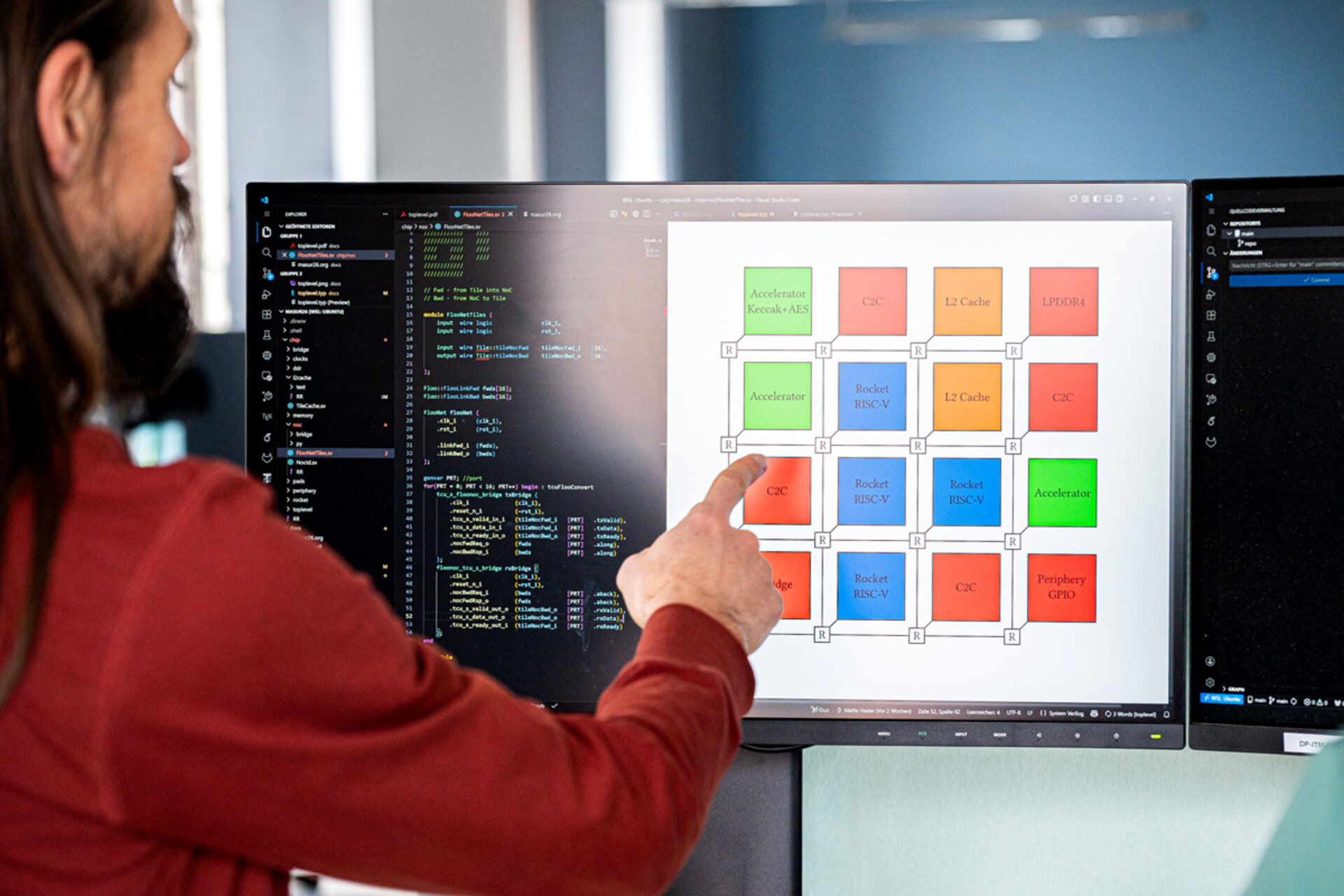
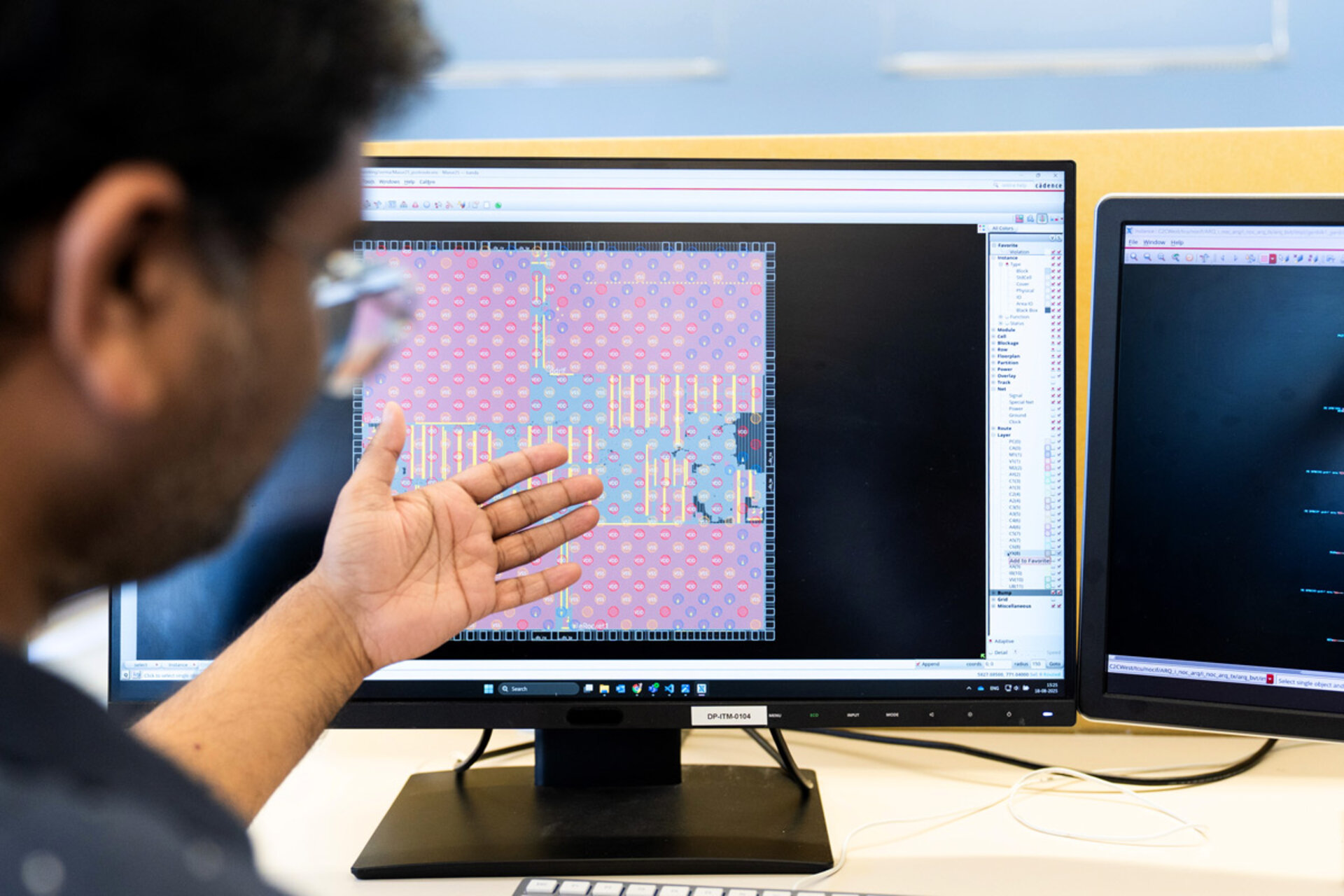
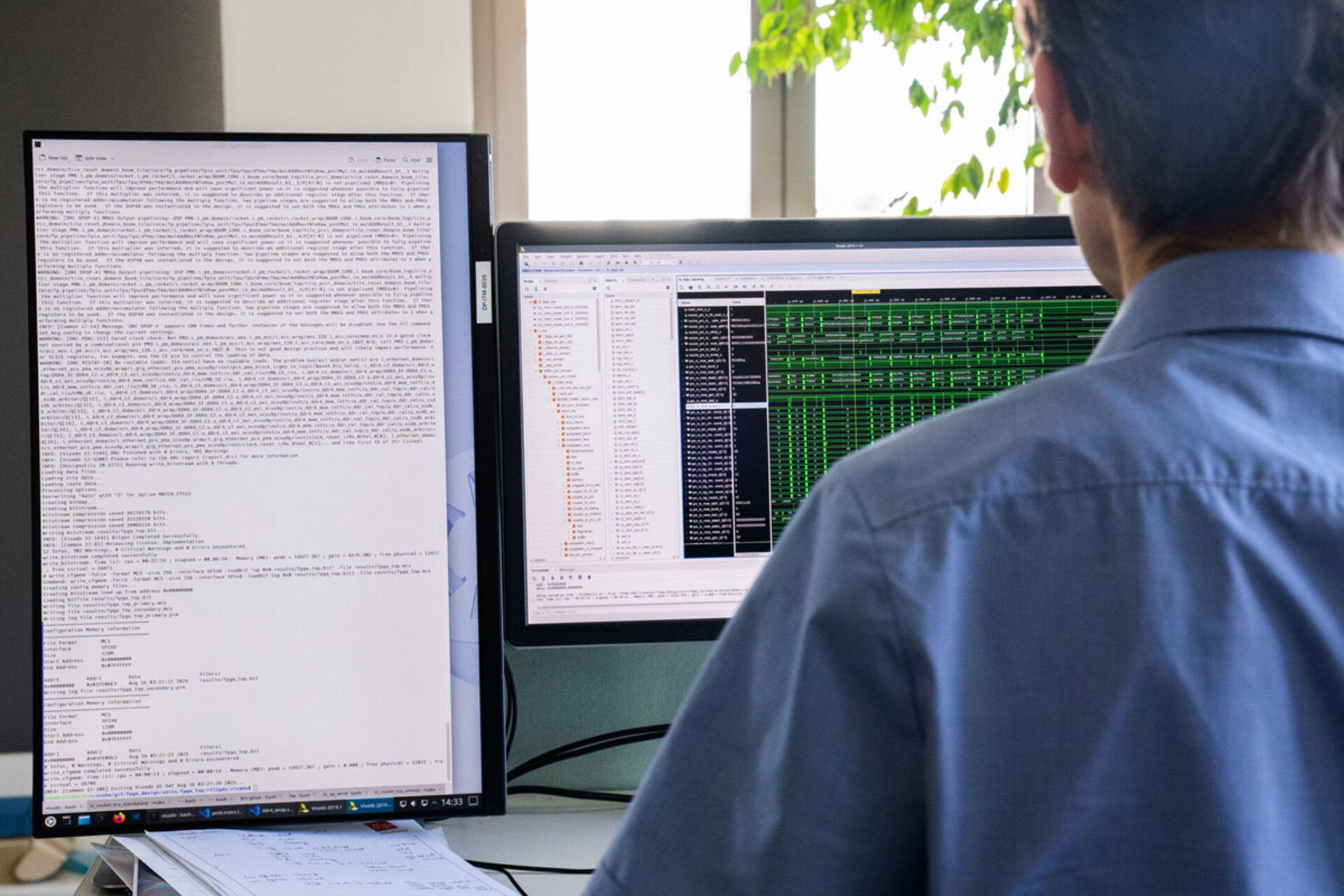
The Scalable Computing Hardware group works on creating trustworthy digital architectures and platform chips that can handle many computing tasks at once. These scalable multiprocessor systems-on-chip (MPSoCs) are designed to make data processing in connected devices both secure and energy-efficient. We focus on developing security methods within these MPSoC architectures to keep different applications separated and reduce the risks of cyberattacks or software errors.

In which projects are you working currently?
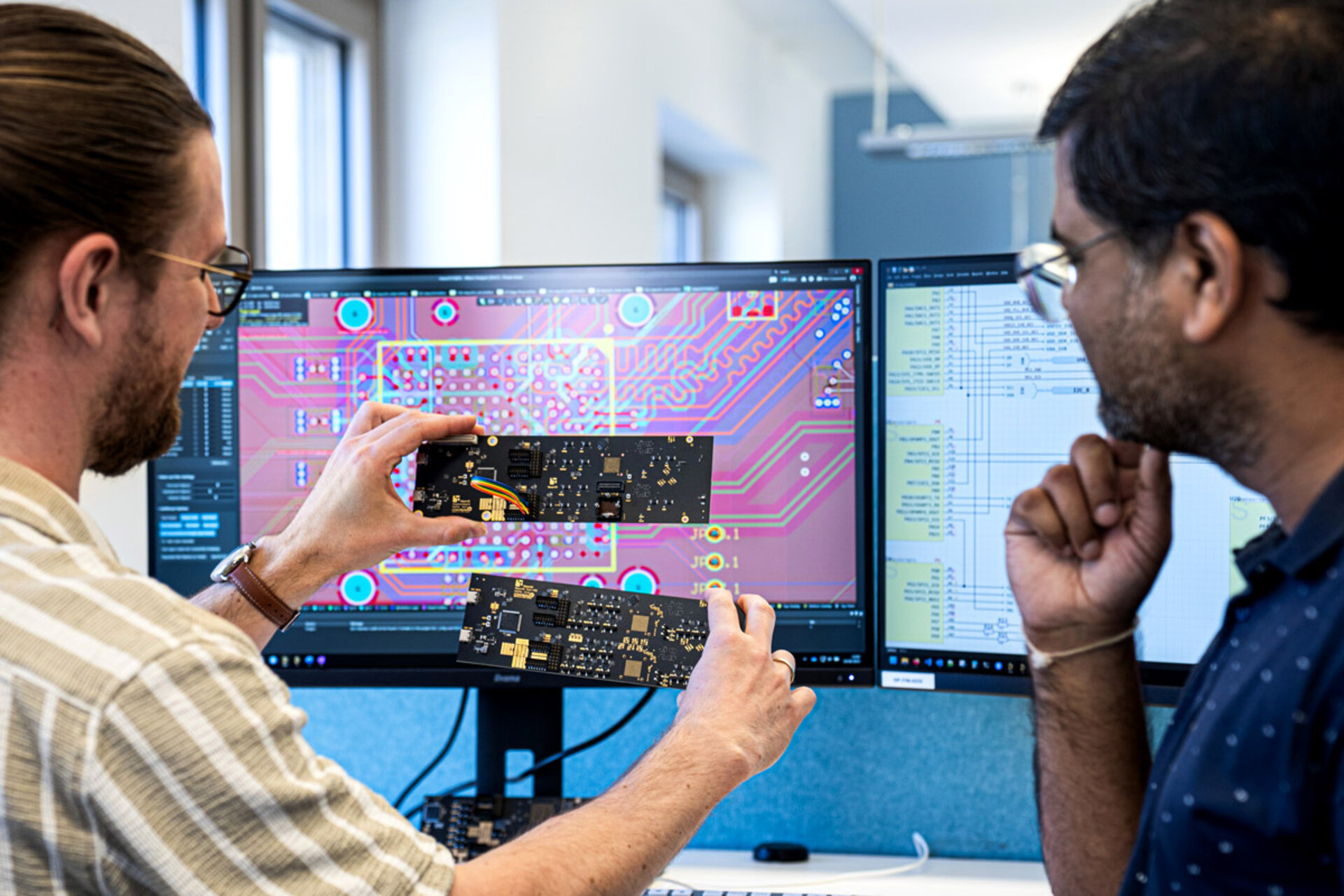
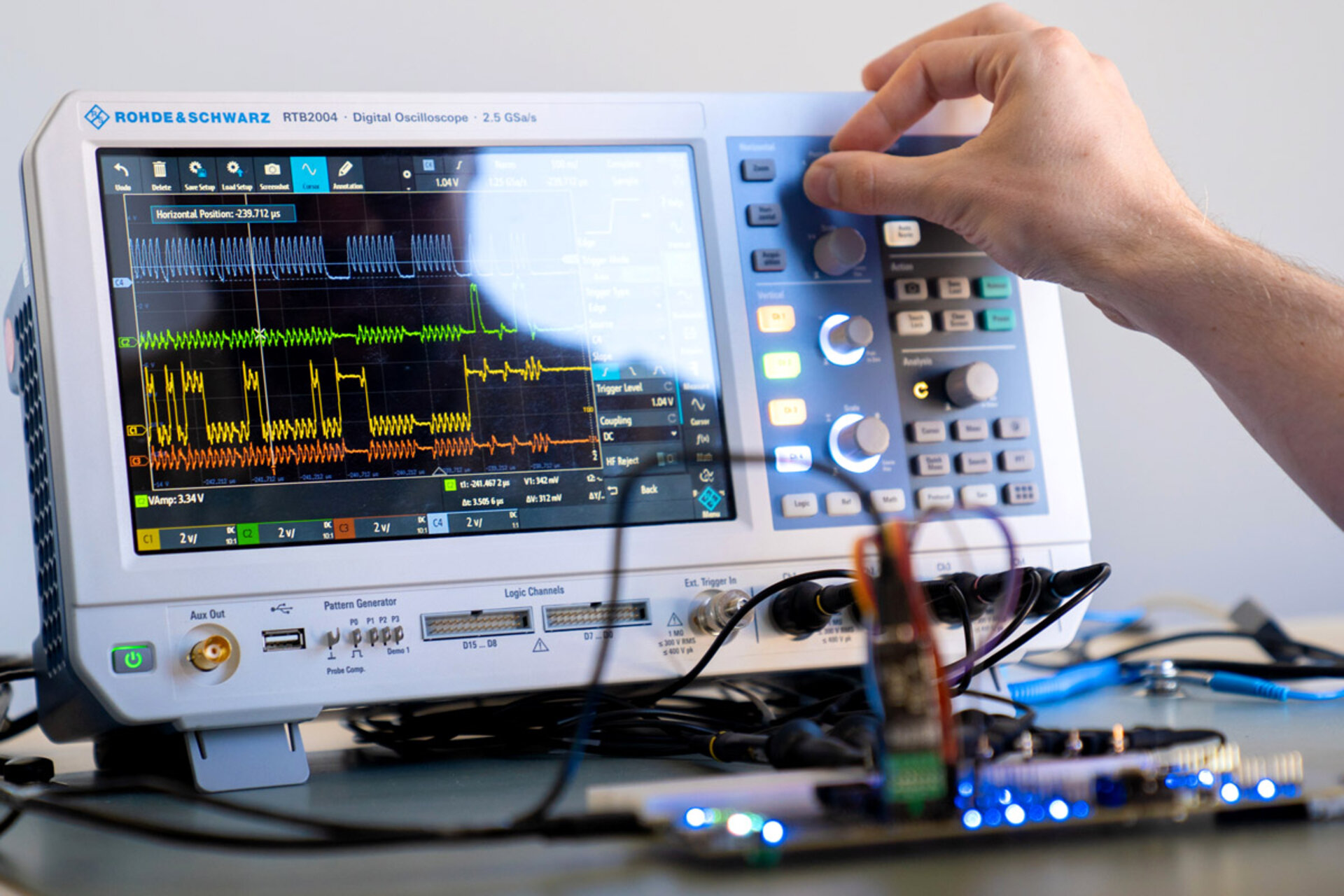
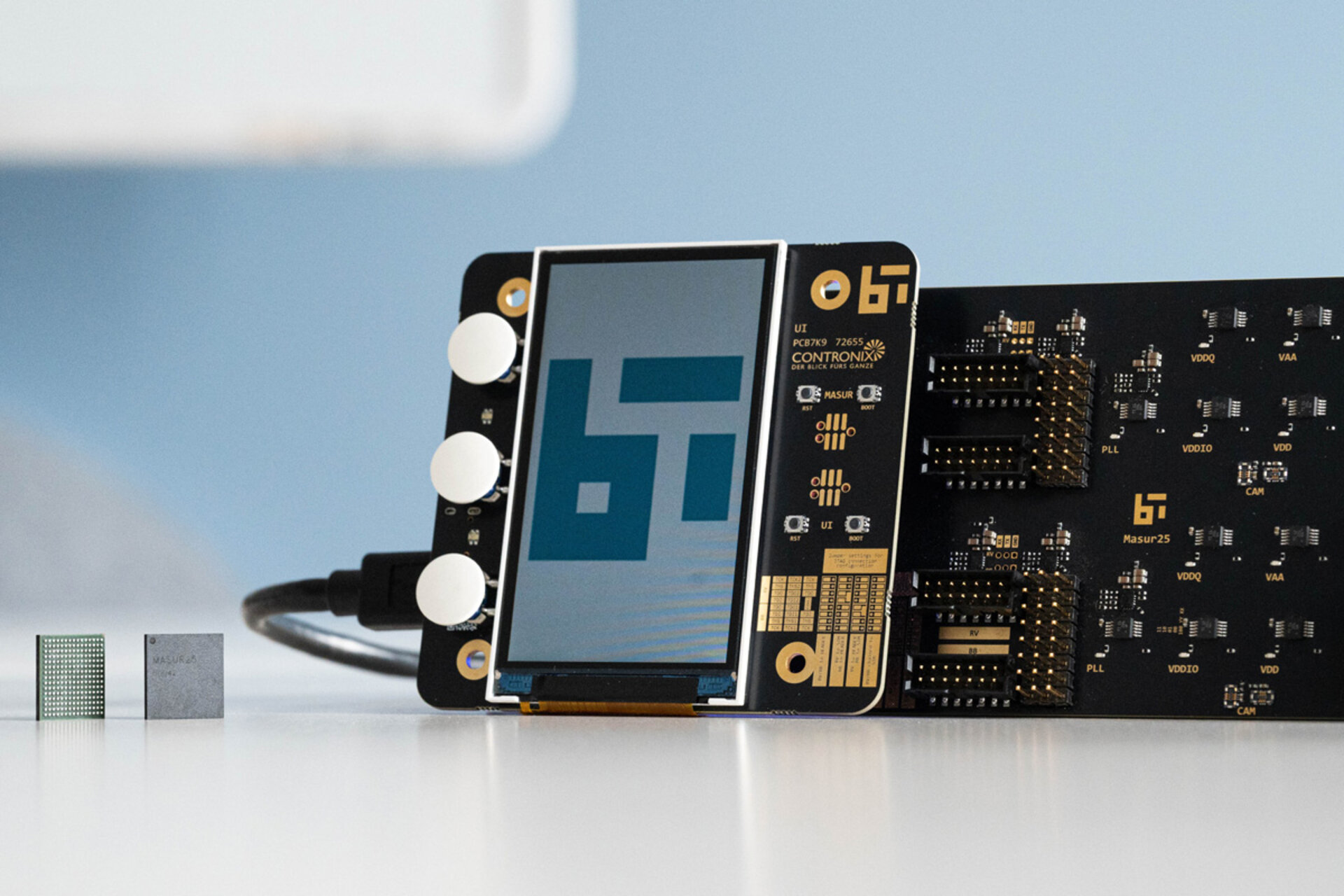
The findings of this research are integrated into the interdisciplinary project M³, conducted in collaboration with the Composable Operating Systems research group. On this foundation, an annual chip tape-out is produced to validate the research outcomes in silicon. Additional core projects within our group focus on the design and analysis of trustworthy on-chip communication hardware and protocols, secure cache coherence mechanisms, and the security and side-channel analysis of networks-on-chip (NoCs), as well as research on chiplet-based systems.
“Few technological developments in human history have transformed the world as profoundly and rapidly as the evolution of microchips. As this rapid development has become increasingly complex in recent years, and with microchips now serving as the invisible foundation of modern life, it’s more important than ever to design them in a secure, efficient, and trustworthy way. Being part of this mission is a great experience."
- Christopher Dunkel (Associate Researcher)
What is the connection between your research and everyday life? What problems and challenges are you trying to solve?
Our research helps make the technology we use every day – like phones, cars, and smart home devices – safer and more reliable. We design digital architectures and platform chips that protect against cyberattacks and use energy more efficiently. This means people can trust their devices to work securely and sustainably in an increasingly connected world.
“It really inspires me to explore how digital hardware and systems are built, how small current chip designs can actually be, and how efficient data processing can be implemented. On top of that, it is particularly interesting to investigate, question, and improve the security mechanisms.”
- Sebastian Haas (Senior Researcher)