
Interview with BI research group RF Design Enablement
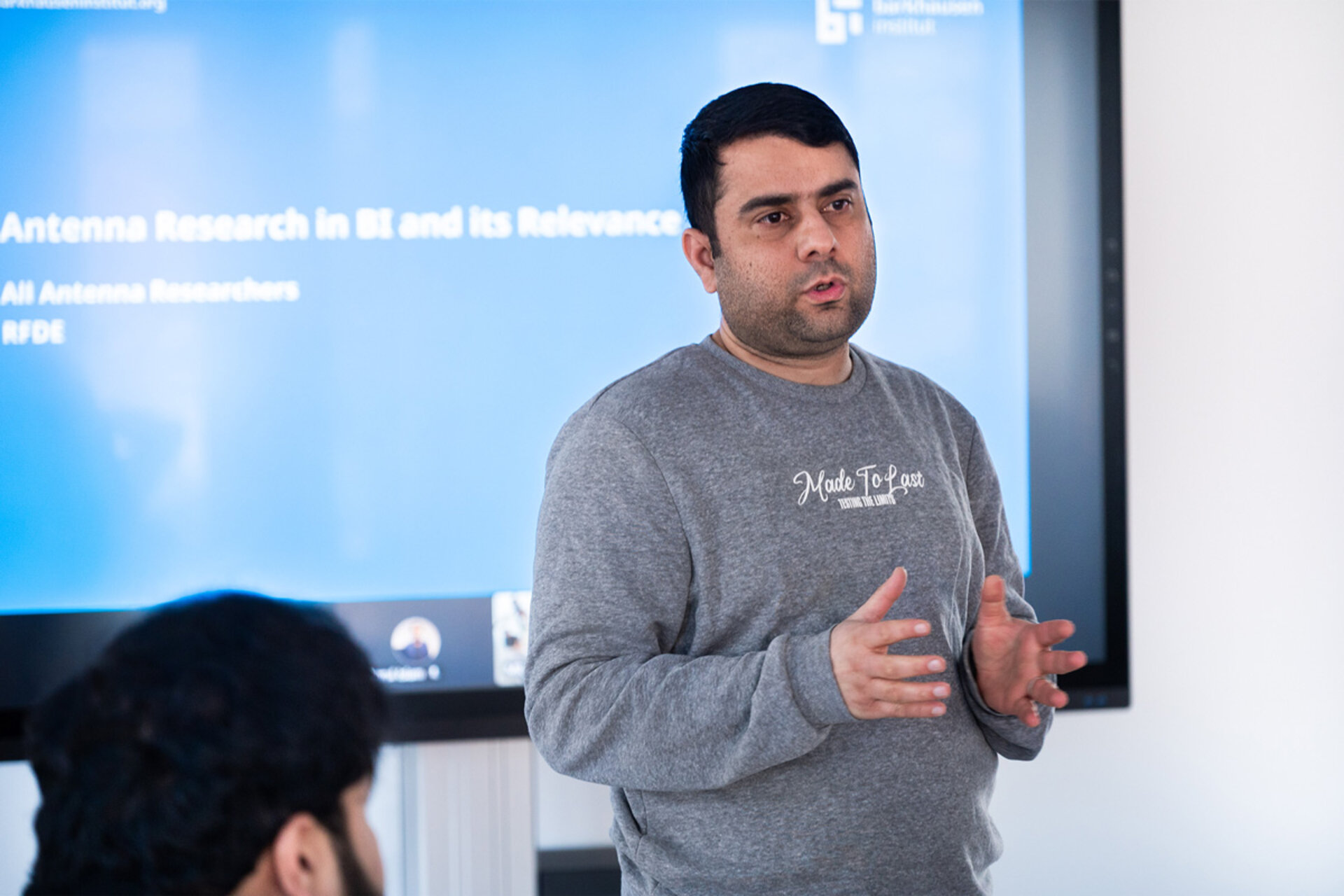
In this interview, the Radio Frequency (RF) Design Enablement research group at the Barkhausen Institut shares insights into its current work and research focus areas, with additional perspectives from individual group members.
“Over the last two decades, Radio Frequency Hardware design has given me the satisfaction of creating something new and following the whole process from design, verification, and development to measurement. The joy of seeing our developments work in the end is one of the key factors that kept me motivated in this highly competitive research field.”
- Padmanava Sen (Senior Research Group Leader)
What is the research topic of your group?
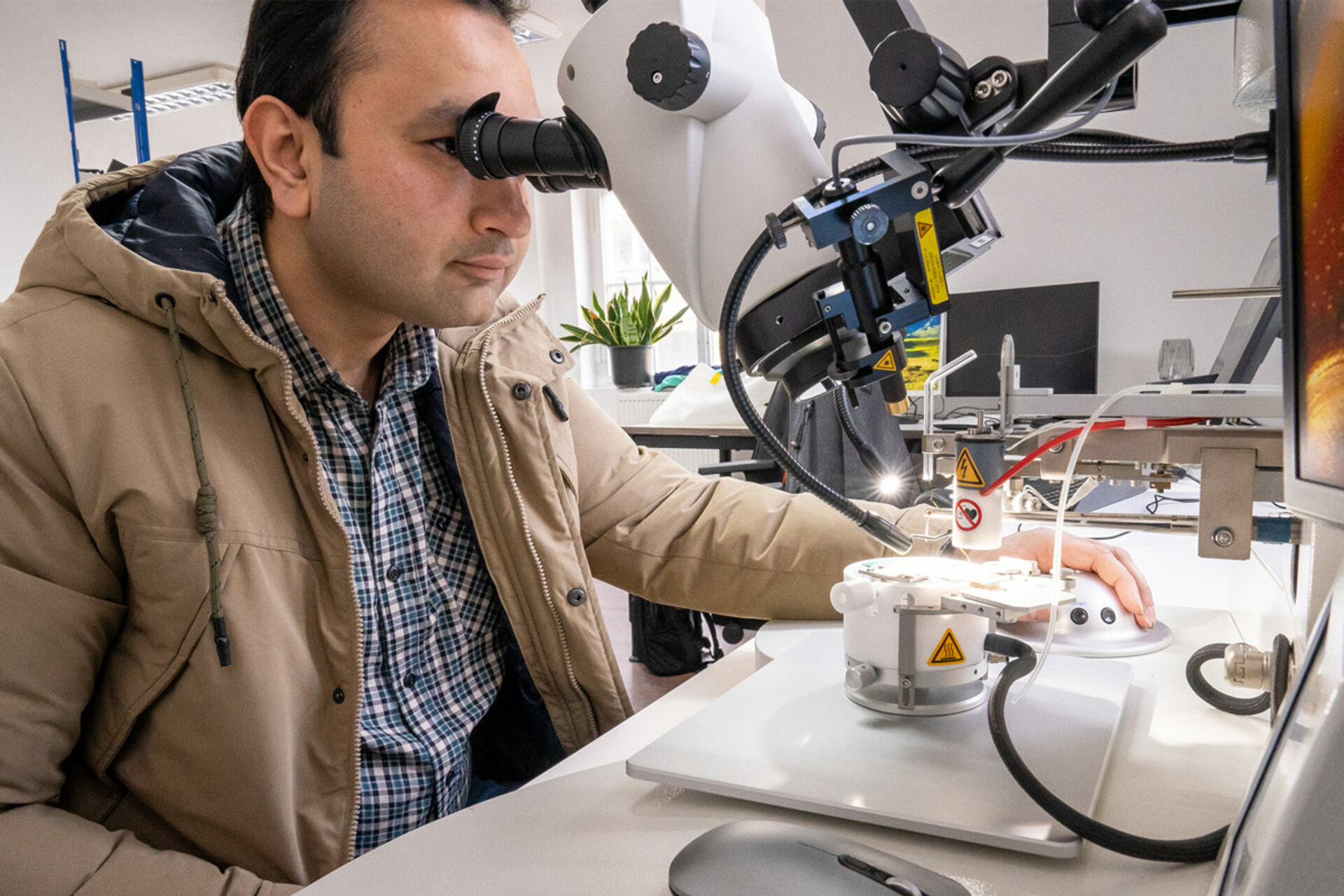
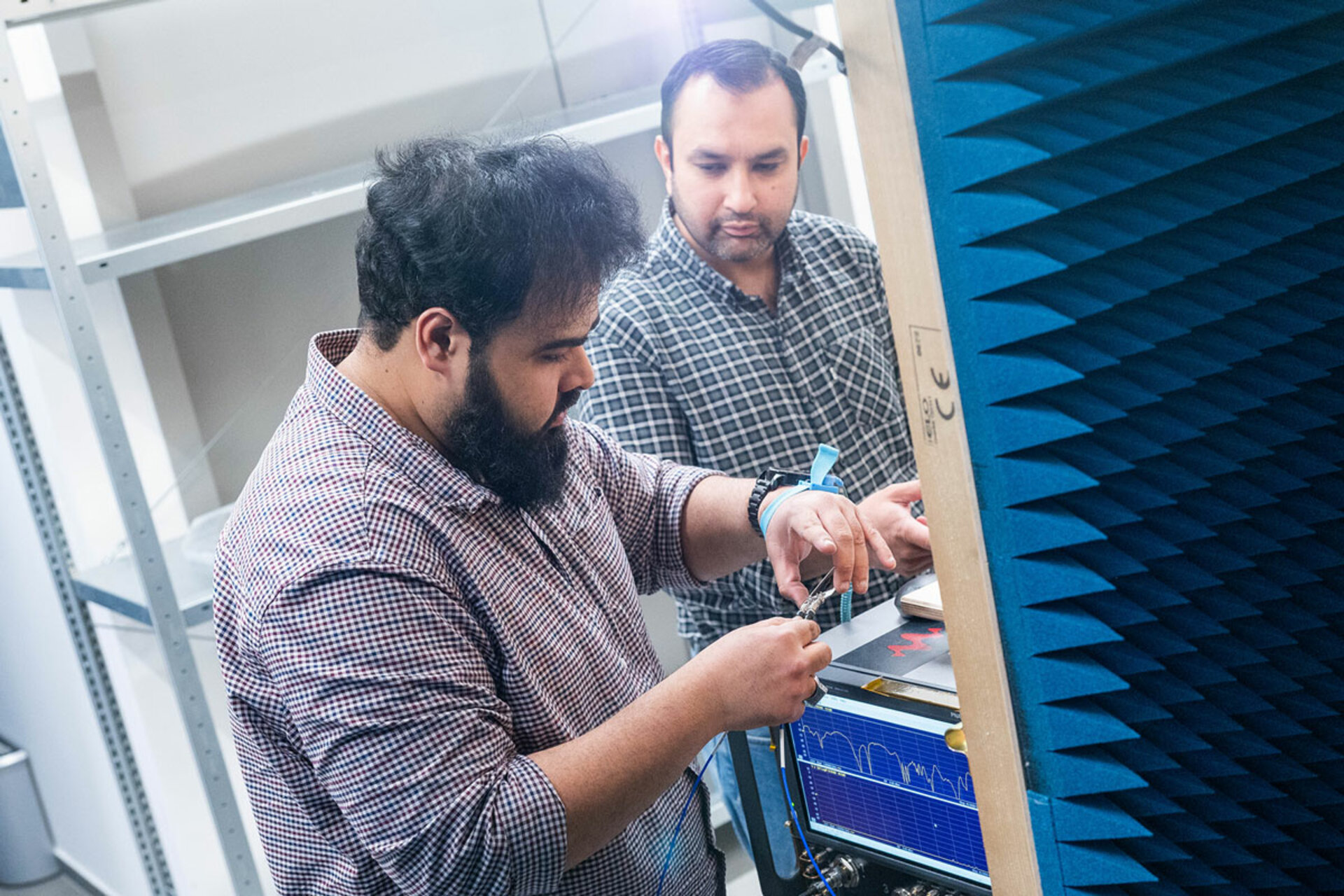
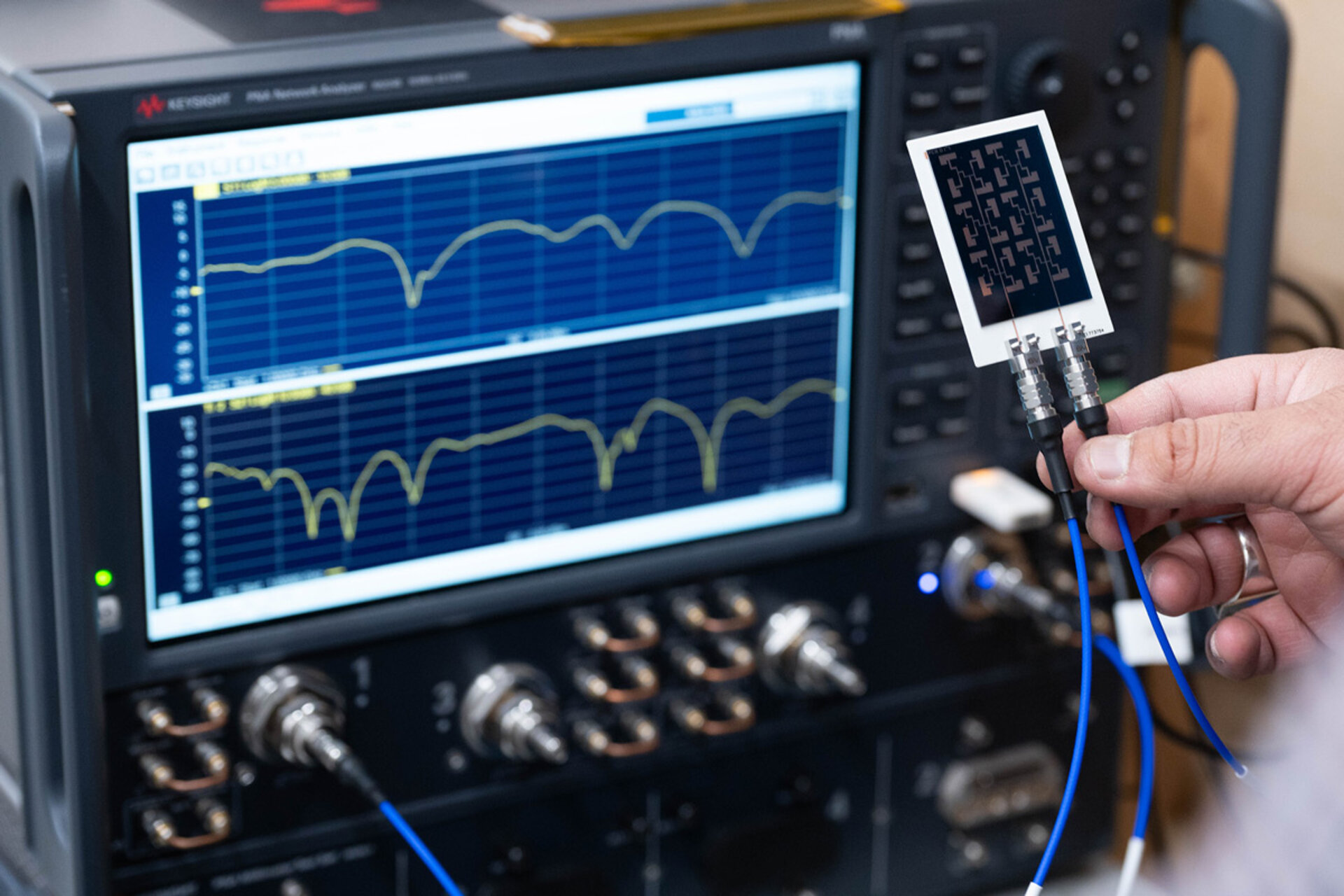
The Radio Frequency (RF) Design Enablement group is focused on RF hardware research/development towards trustworthy physical interfaces, a key research area at our institute. We focus on enabling key components for future communication and radar systems, with reconfigurable transceiver architecture and innovative antenna designs. This would enable energy-efficient multi-mode platforms to address diverse needs of future systems.
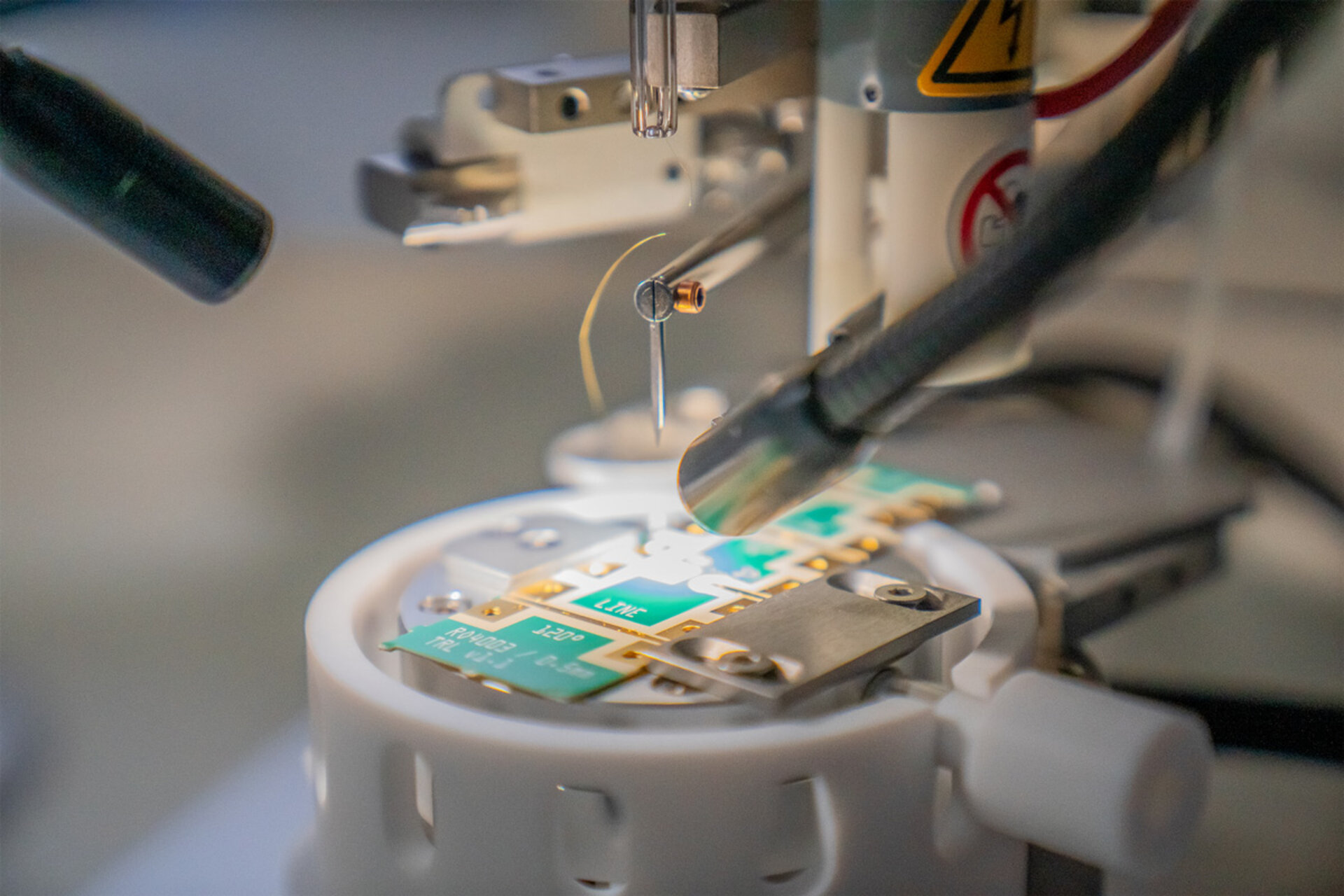
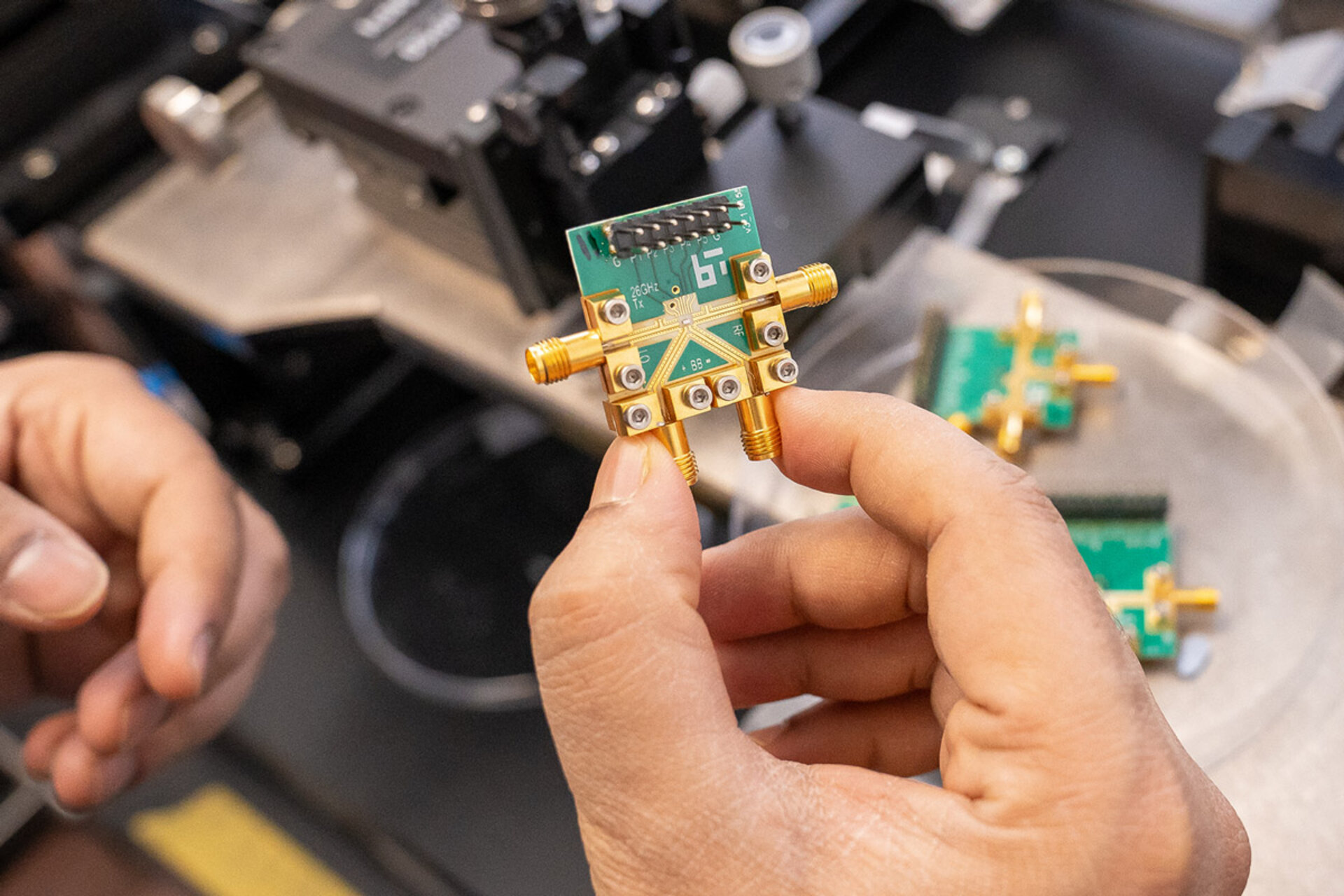
A key focus of our work is Joint Communication and Sensing (JCAS), where communication systems and sensing technologies are combined. The group’s research covers the entire development chain, from initial research on hardware concepts to 22nm chip tape-outs, the stage where finalized chip designs are sent to fabrication, as well as antenna boards. These hardware blocks are essential for creating the hardware-software platforms that serve as technical demonstrators, which are developed in collaboration with other research groups at the Barkhausen Institut.




In which projects are you working currently?
The group is currently coordinating and working on several national and European projects. The projects primarily focus on the development of high frequency RF hardware for future applications, namely, Joint Communication and Sensing in future base stations, high throughput medical systems and context-aware millimeter-wave systems. Through these projects, the group collaborates with several academic and industrial partners.
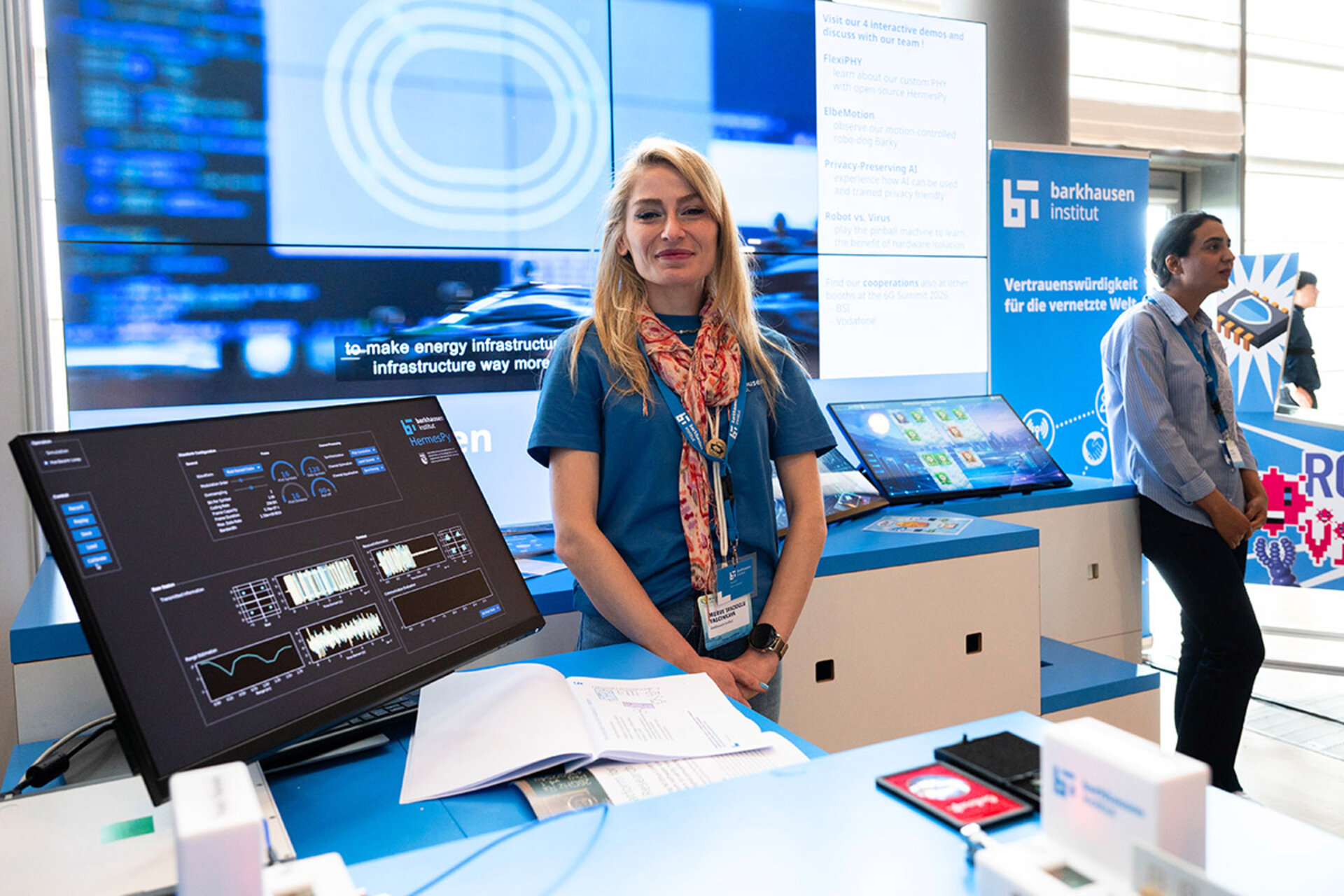
“Behind every successful wireless system lies an efficient antenna design. This idea inspired me to choose antenna research, as I was fascinated by how antenna performance shapes the entire communication and sensing system. My interest further grew during my bachelor studies, where one of my professors strongly motivated me to pursue this field.”
- Merve Tascioglu Yalcinkaya (Associate Researcher)
What is the connection between your research and everyday life? What problems and challenges are you trying to solve?
Future wireless systems will need to support many different applications while remaining energy-efficient. Our research explores how reconfigurable hardware can enable this flexibility. Also, a gearbox or reconfigurable approach can embed trustworthy sensing functionality in existing communication systems, or, conversely, embed communication capabilities into radar systems. This can contribute to safer roads, safer factories and energy-efficient cellular networks.
In the medical domain, our research is driving the development of next-generation computer tomography machines that offer faster and more precise scans. At the same time mechanical complexity – which can lead to long delays when failures occur – is avoided.
“RF design’s creative freedom inspires me to architect diverse circuit topologies, balance trade-offs, and turn ideas into real silicon.”
- Sourya Rout (Associate Researcher)